Life can often feel like being in a candy store and choosing between all the different sweets. Then you hear a voice say, “You have to choose either this candy bar or that sucker, not both.”
The Danish existentialist theologian/philosopher, Soren Kierkegaard, wrote a famous book entitled Either/Or which poses the question of life’s meaning in black and white terms. Either/Or certainly addresses many important decisions requiring “yes” or “no” answers.
Moral development theorists, however, point to adolescence as the life stage when young people begin to see how paradox and “both/and” thinking can lead to deeper truths in the gray areas of life. For example, a musician discovers that the seemly boring discipline of practicing scales builds confidence and courage to be free to improvise. A runner must experience the pain of training to feel the joy of peak performance. As a runner I have also enjoyed the boost of energy as the body’s natural drug, the endorphins, pulse through my system. Dysphoria/pain precedes Euphoria/pleasure.
As I have developed and had more life experience, I have come to also see the value of “both/and” thinking or paradoxical reasoning. Perhaps my favorite is the idea of a servant-leader which recognizes that the most effective leader often leads “from behind.”
That is a core idea in our democracy guided by public servants. Sadly, too many elected officials want to be “front-runners” who are directed by money and power, rather than the public interest and the Common Good. Campaign funding and term limits would go a long way to returning service to the Public Square.
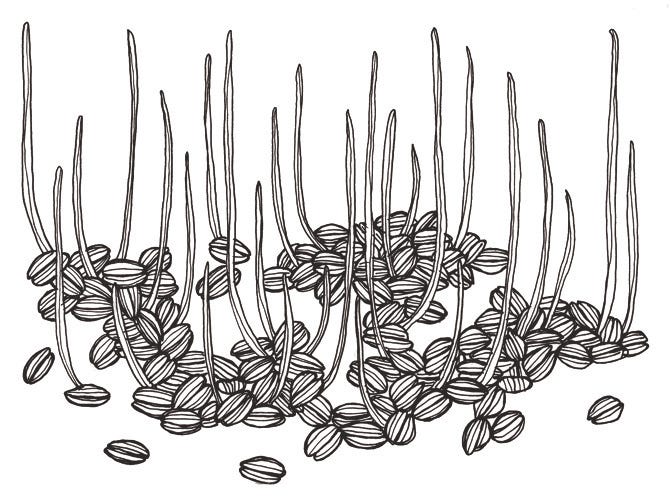
I come from a faith perspective which often offers paradoxical wisdom to this leadership challenge and to simply being a good citizen, person, and contributing member to society. This most challenging paradoxical wisdom is at the heart of the Christian faith and is captured in the phrase “unless a grain of wheat falls into the earth and dies, it remains just a single grain; but if it dies, it bears much fruit. Those who love their life lose it, and those who hate their life in this world will keep it in eternal life” (John 12:24-25).
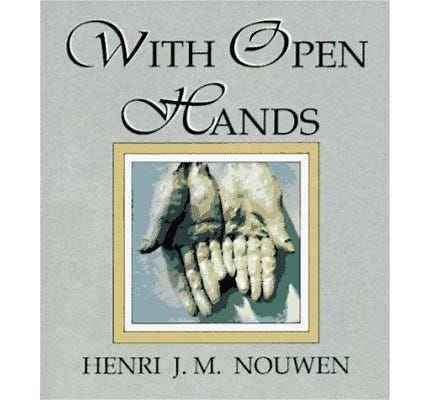
It is painfully and paradoxically true that it’s often the little “deaths” in life, where we “let go,” that new life can grow and blossom. Not being full of ourselves but emptying ourselves helps us be available for love. Henri Nouwen describes this process as moving from arms crossed across our chests to the open hands and arms of prayer. I add “all the better to hug you with…”
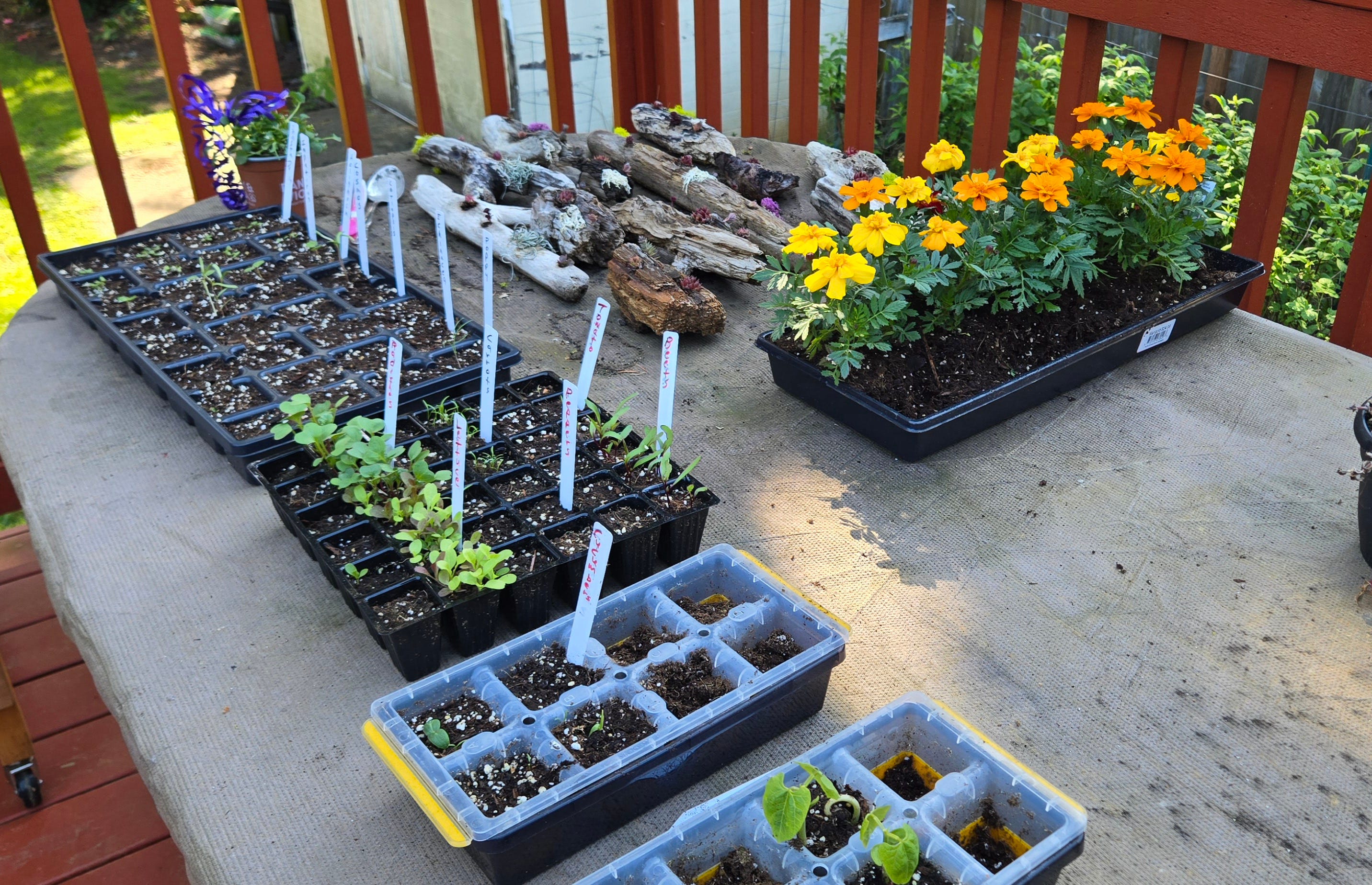
I am an avid gardener and each day this spring I venture into my outdoor classroom. Lessons abound. Tiny seemingly insignificant seeds grow into large and productive vegetables and beautiful flowers. Regular cultivation and care keep growth moving forward. Yet, my best efforts often fail and are foiled by all sorts of pests. Frequent Sabbath moments of rest to enjoy the mystery of life lift my spirits and send me forth with hope and strength for the journey
To subscribe (free or paid/same post) Paddlepilgrim1.substack.com
For books, films, podcast, and speaking visit my website paddle-pilgrim.com
Thanks, Dave, for your good words. The world has way too many full of themselves people. And after taking part in hundreds if not thousands of meeting in my life, I have seen first hand that the people who talk the least will likely have the must important things to say. Such is life.



Thanks, Dave, for your good words. The world has way too many full of themselves people. And after taking part in hundreds if not thousands of meeting in my life, I have seen first hand that the people who talk the least will likely have the must important things to say. Such is life.