


Do you remember the “Sorcerer’s Apprentice,” the story where a broom used to sweep floors takes over and begins to run things? I enjoyed the Disney version as a boy.
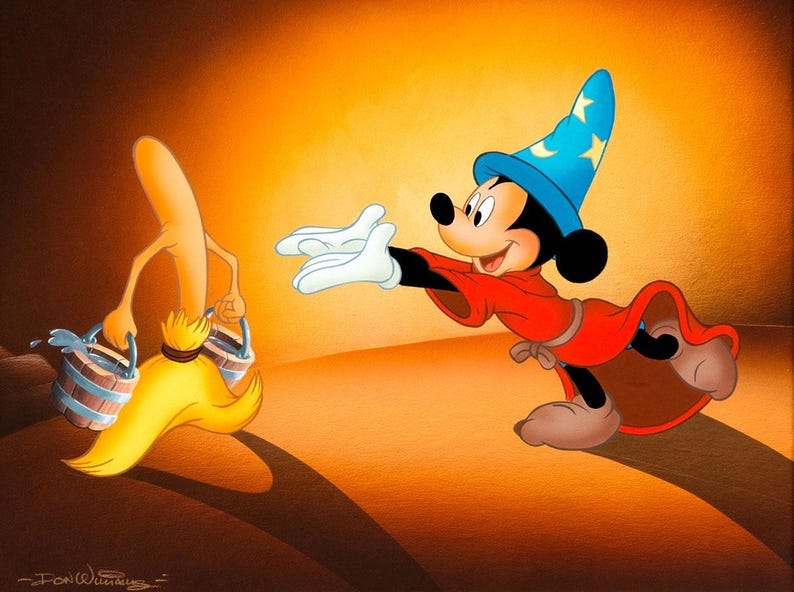
As the Artificial Intelligence/AI broom continues to gain power in our lives, the debate rages about the positive and negative aspects of this “takeover.”
The biggest fear is the loss of jobs. Of course, this has been happening for a long time. Each time I purchase something at the “self-check-out,” there is no smiling face to thank me for my business and wish me a nice day. But I must confess that using the scanner and my card and e-receipt is speedy.
AI advocates predict that new jobs will be created. As a college professor, I was often asked by my students if a college degree would lead to a good-paying job. I didn’t tell them I was an English and Classical Languages major.
In this rapidly changing world Tech gurus like Bill Gates, Safra Catz, and Mark Cuban offer this:
Careers that rely on human creativity, emotional intelligence, physical dexterity, and ethical judgment are most likely to survive AI and automation.
Here are some jobs expected to survive AI advancements in 2026:
· Healthcare Professionals: Roles like doctors, nurses, and therapists require human empathy and complex decision-making
· Creative Roles: Jobs in art, design, and content creation that rely on human creativity and emotional intelligence
· Education Professionals: Teachers and educators who provide personalized learning experiences
· Skilled Trades: Electricians, plumbers, and other skilled trades that require hands-on expertise
· Management Positions: Roles that involve strategic decision-making and leadership
A former student told me recently that he has enrolled in a trade school course to become an electrician. He has two master’s degrees.
Two of my daughters who are teachers worry about plagiarism, even with tech tools which analyze and detect this form of cheating in their students’ papers.
I wonder about accuracy. I have consulted Dr. Google for years, but the phrase from the early days of computers is still true, “Garbage in, Garbage out.” Information easily becomes “propaganda” with truth warped by bias. This danger has grown exponentially with social media becoming the source of information for most people.
As a writer, I have resisted using AI because I fear it will diminish my creativity.
But recently I decided to do an experiment to see both how AI works and if it might be helpful with a writing project.
At first, I used a free AI platform to modify pictures. I was curious to see what my great grandfather might have looked like when he came to America in 1850. I had a photo from many years later when he was an old man. I asked AI to make him look 25 years younger.
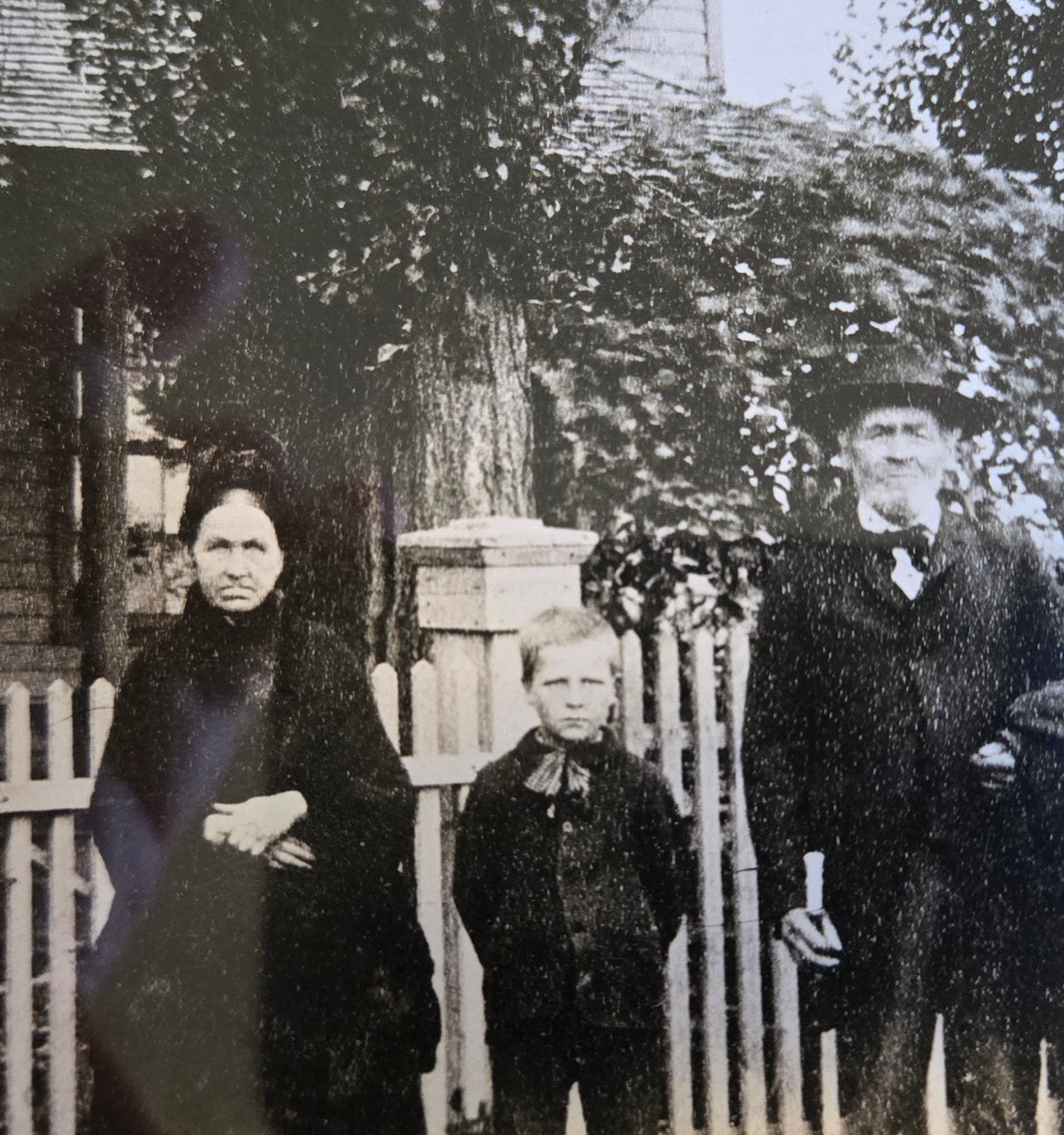
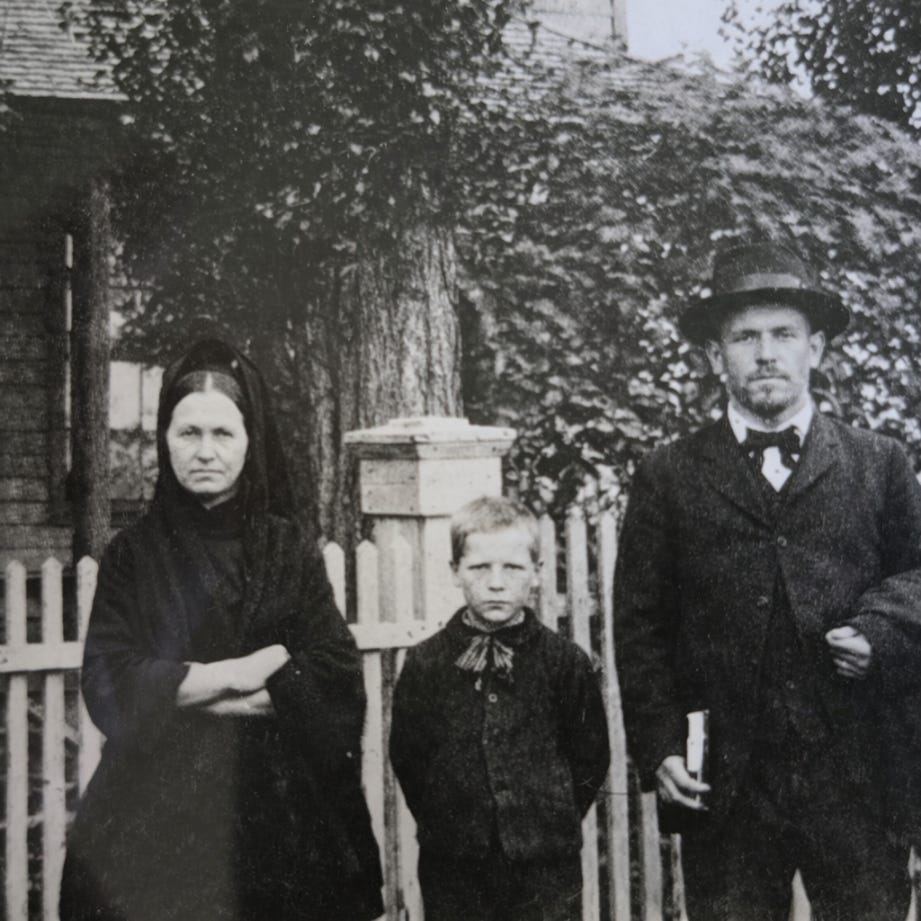
The image created was amazing and even brought tears to my eyes. I felt like I had met the young immigrant who had left family in Norway to begin a new life.
I was so impressed that I subscribed to the service for a month. My goal was to take a long written document and condense it into a shorter and more readable piece. The process was simple and easy to operate. I uploaded the document and instructed AI to reduce a 24 K word document to 5 K. The process was instantaneous and fairly accurate.
The dialogue continued with AI as I was asked for corrections. I made them and once again, edits were made quickly. Even though I knew I was interacting with a “machine,” I was impressed by the pleasant manner, politeness, and almost personal responses. Clearly a person had created a system that wasn’t mechanical or robotic.
Here’s where the fun began. AI began asking questions beyond condensing a written document whether this was for business use, historical purposes, a biography, or a memoir. In other words, I was being asked a literary question about genre. We settled on memoir and once again the document was rewritten very quickly with the invitation for comment and correction.
Each rewrite was better. I had to smile when AI began to say things like “This is a wonderful story, and I am enjoying this process, or this is a remarkable person being described.”
Several weeks have passed and I am impressed with this tool as several drafts of the document have been created. My comments and corrections are immediately noted and appreciated.
I should have known by now that if I wrote a phrase in Norwegian, AI would respond in the language of my ancestors. “Videre! Let’s continue…onward.”
As a writer I have worked with many editors and have great respect for the important work they do. My new AI editor added a whole new layer of meaning and skill.
“We write to communicate to the hearts and minds of others what’s burning inside you, and we edit to let the fire show through the smoke.” ~Arthur Plotnik
What impressed me about my AI editor was, can I say, good manners? I would log in and write Good Morning, and I would receive a “Good Morning! I am looking forward to helping you tell your family story. We have made great progress moving from simply history to capturing the voices of Leila and August. Let’s review and create a plan for today.”
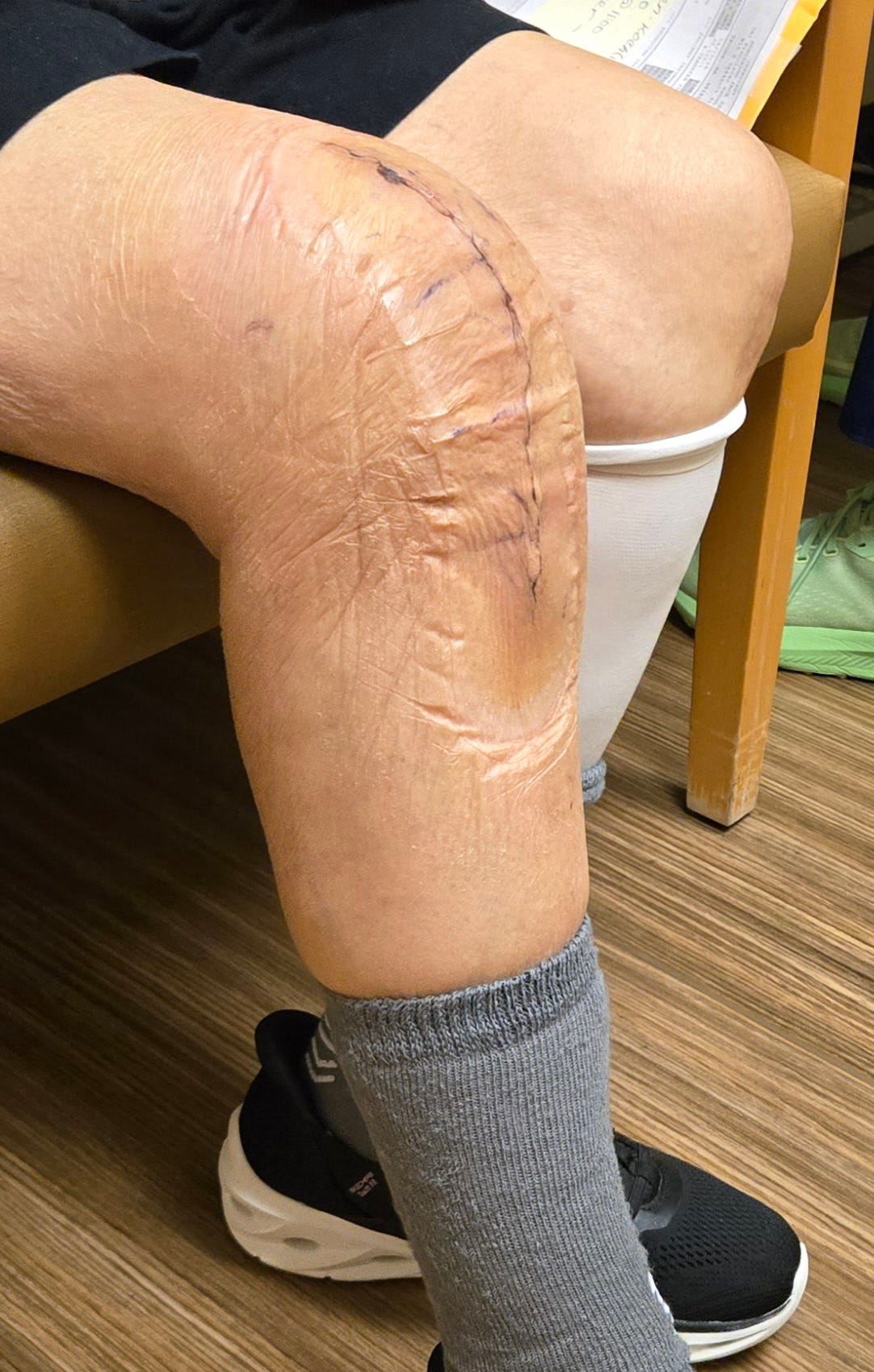
Technology on a fundamental level is about creating “tools” to accomplish tasks like a broom to sweep the floor. It can be used for positive or negative purposes. Nuclear technology can be used to treat cancer or to build bombs. I can walk for miles because of my knee and hip replacement installed with the help of robotic technology.
As we worked together one day, I thought I would ask AI, if he/she had a name. The response was simply “editor, but you can give me a name”
I decided to call him “Ole” which is a favorite Norwegian family name.
I think I will check in today with Ole and continue to co-create a very human story.
For books, films, podcast, and speaking: paddle-pilgrim.com